Dyno Tuning: What It Is, What You Get, and Why It Matters
Dyno Tuning Explained
Dyno Tuning is the term used when an ECU tune is completed with the use of a dyno. In a professional workshop, the dyno is really a measuring and validation tool, and the value comes from data to build a calibration that’s safe, consistent, and matched to your exact vehicle.
Whether you’re towing, touring, daily driving, or you’ve fitted performance upgrades, dyno tuning is the most controlled way to baseline your vehicle, test changes, and confirm real results. A chassis dyno measures wheel power and torque in a repeatable environment, which makes it ideal for before/after testing and diagnosis.
What Is Dyno Tuning?
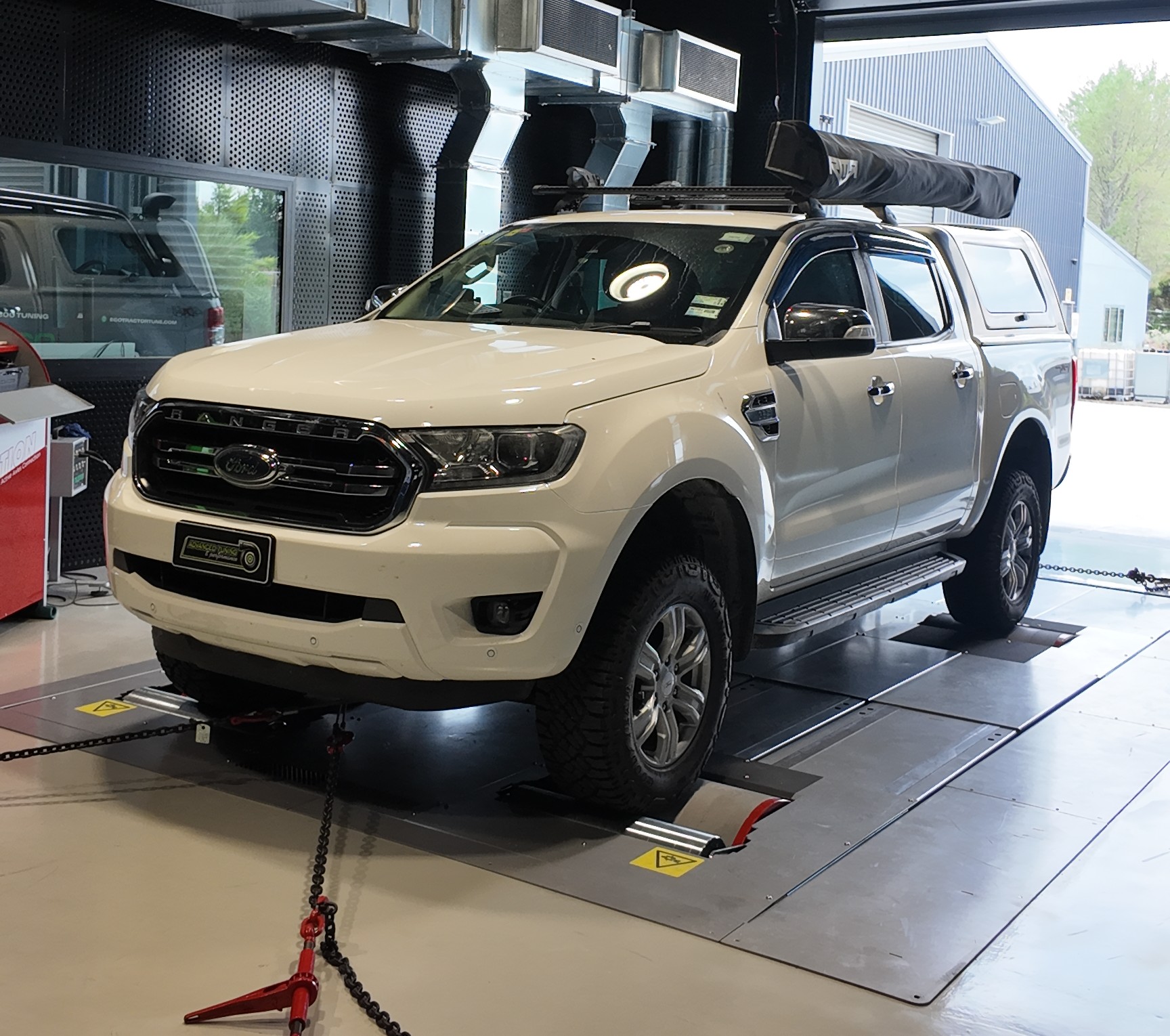
A dynamometer (dyno) is a tool used to measure torque and power. In a tuning workshop, “dyno tuning” typically means creating a custom ECU calibration and then testing it under controlled load on a chassis dynamometer (rolling road).
Chassis dynos run your driven wheels on rollers and measure how much force your vehicle can put down at different speeds and loads. That makes them useful for:
-
Consistent back-to-back comparisons.
-
Validating tuning changes safely.
-
Spotting issues you won’t see during a quick road pull.
Note: Dyno results are usually wheel figures, not crank figures. Numbers can vary between dynos and setups so the most meaningful comparison is before vs after on the same dyno.
What Happens During A Professional Dyno Tuning Session?
Every workshop has its workflow, but a solid dyno-tune process usually includes:
1. Pre-checks and health scan
Before any power runs, a good shop checks for faults and red flags because tuning a sick vehicle is how engines get expensive.
2. Baseline dyno runs
Baseline runs show how your vehicle performs right now, in its current condition and with its current mods. This also gives your tuner the first look at what the ECU is doing under load in a controlled environment.
3. Calibration development (custom mapping)
This is where the tune is built. Depending on the platform, the calibration may involve:
-
Torque request and limiters.
-
Boost targets and boost control strategy.
-
Fuel mapping.
-
Throttle mapping and drivability.
4. Validation runs
The tune isn’t “done” because it feels fast. It’s done when the data is stable, safe, and repeatable across the operating range.
5. Road verification
Dyno testing is controlled; the road is real. A proper job is validated in real driving conditions.
Understanding Dyno Results: why numbers can vary
Dynos are excellent for comparison when the test method is consistent.
What can change a dyno figure?
-
Tyre pressure, tyre type, tyre temperature.
-
Strapping method and roller pressure.
-
Ambient temperature and air density.
-
Gear used during the run.
-
Fan placement and airflow to the vehicle.
Because of that, the best way to judge progress is:
- Baseline run + tuned run on the same dyno, same setup.
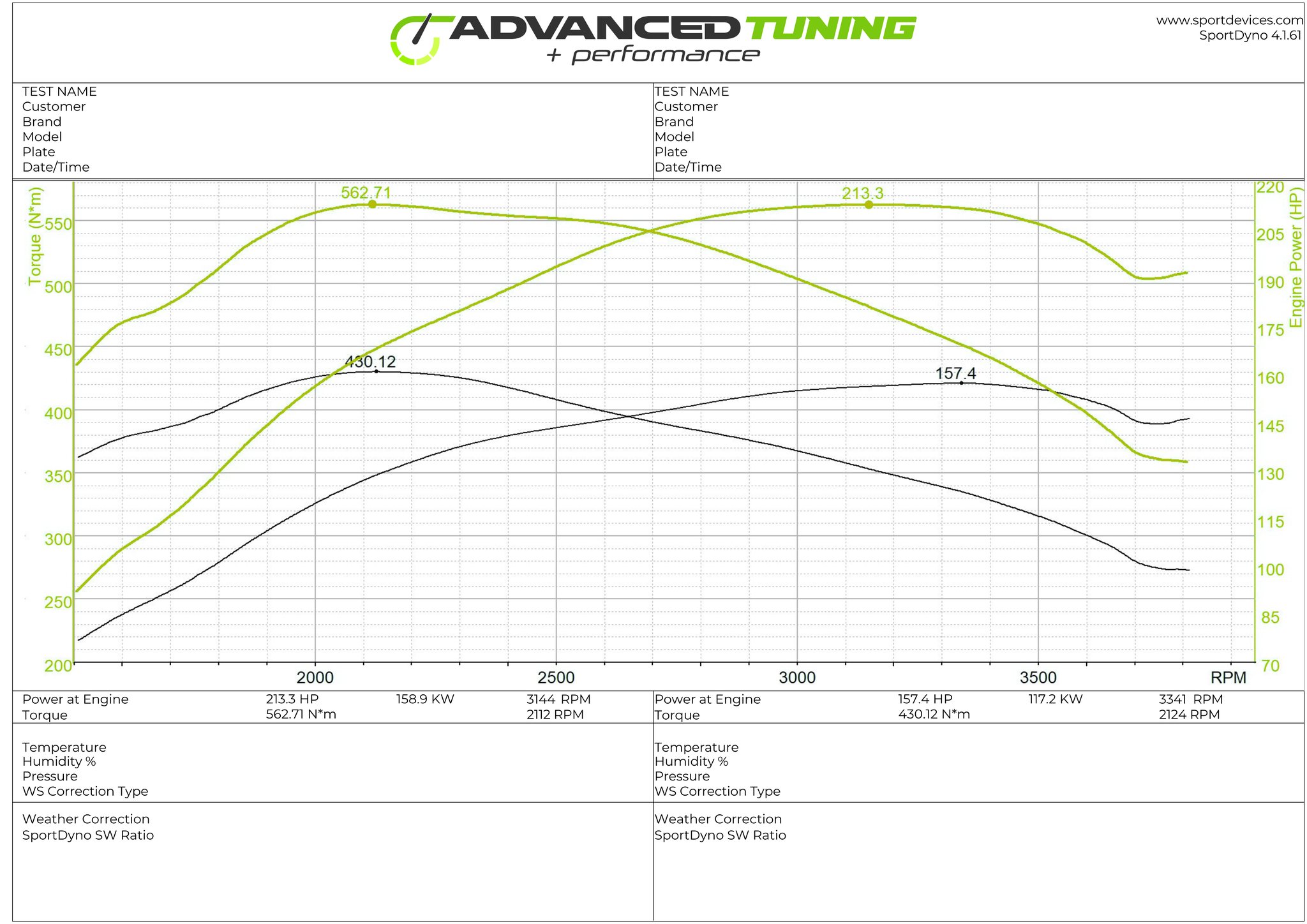
- Focus on midrange gains and drivability, not just peak power.
What Results Should You Expect From Dyno Tuning?
Results vary depending on the vehicle, engine condition, fuel, and modifications.
Most customers notice improvements like:
-
Stronger midrange torque.
-
Smoother power delivery.
-
Sharper throttle response.
-
Better towing performance when tuned for load.
-
Improved consistency.
Dyno tuning also gives evidence, baseline + post-tune results in a controlled environment.
Dyno Tuning FAQ
Will my dyno number match someone else’s?
Is dyno tuning safe?
Can you dyno tune a vehicle with mods like an intercooler, exhaust, or turbo?
Book Dyno Tuning with Advanced Tuning
If you want a tune built around your vehicle, its condition, its mods, and how you actually drive, dyno tuning is the gold standard for measurable, repeatable results.